Removal and protection
State tear-off limits, landscape and property protection, staging, disposal, and daily cleanup.
Los Angeles DMA roofing guide
Evaluate standing-seam or panel roofing around substrate, attachment, penetrations, drainage, finishes, and thermal movement.

Record the material, visible layers, roof shape, stories, access, penetrations, drainage, interior symptoms, and prior work. A leak symptom does not by itself identify the entry point or authorize a specific repair.

State tear-off limits, landscape and property protection, staging, disposal, and daily cleanup.
Describe inspection after removal and how concealed replacement is measured and approved.
Clarify underlayment, valleys, wall transitions, edges, penetrations, and flashing.
Include inspections, punch-list work, cleanup, photos, product documents, and warranties.
| Cost dimension | What to measure | What the proposal should state | Common change trigger |
|---|---|---|---|
| Roof area | Roofing squares (100 sq ft), not floor area | Measured quantity and waste assumption | Complex hips, valleys, and additions |
| Removal | Layers and disposal access | Tear-off, haul-away, protection, cleanup | Extra layers or restricted staging |
| Deck | Visible condition before and after tear-off | Unit price or approval method for replacement | Hidden rot or unsuitable sheathing |
| Roof system | Material, underlayment, flashings, vents | Brands/specifications only when actually proposed | Substitution or code-driven detail change |
| Administration | Jurisdiction and project scope | Permit, inspection, warranty, closeout duties | Property-specific review requirements |
Pricing research checked August 13, 2026. The exact Networx cost page was not retrievable in this build environment, so numeric pricing is intentionally withheld rather than replaced with a secondary source.
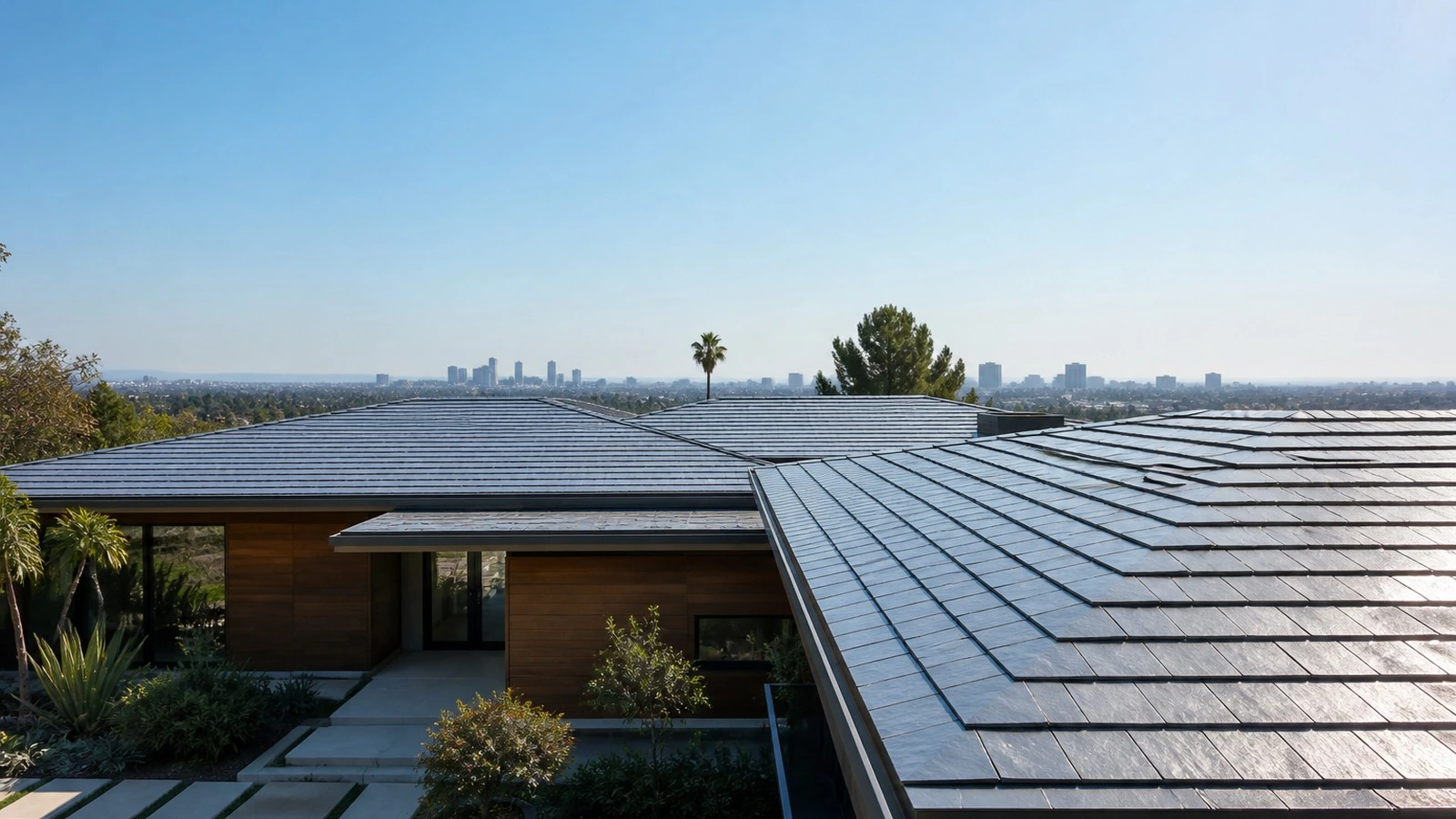
Walls, valleys, vents, skylights, chimneys, drains, and edges deserve specific proposal language. Surface sealant alone is not a complete long-term detail.
| Decision | Option A | Option B | Clarify before signing |
|---|---|---|---|
| Work extent | Localized repair | Full system replacement | What evidence supports the boundary? |
| Removal | Limited opening | Complete tear-off | How is hidden deck damage priced? |
| Material | Match existing system | New coordinated assembly | Compatibility, weight, fire and reflectance criteria |
| Drainage | Retain layout | Correct defined drainage issue | Who designs and documents the change? |
City of Los Angeles reroof guidance includes cool-roof requirements for specified residential replacement scopes, while other cities and unincorporated areas have their own authorities. Ask which jurisdiction governs the property and which product documentation applies; do not generalize one city rule across the entire DMA.
Check the contracting business through the California Contractors State License Board. Roofing employers are also responsible for applicable fall-protection requirements; homeowners should not direct unsafe roof access or rely on casual visual inspection from an unprotected edge.
Do not compare totals with different tear-off limits, allowances, materials, deck-repair assumptions, ventilation scope, or permit duties. Do not route tile, metal, flat-roof, repair, inspection, or insurance-help intent to an asphalt replacement category.
State the roof material, known age, leak or damage symptoms, approximate stories, access limits, prior repairs, and whether you seek repair, installation, or full replacement.
No. A reliable local quote requires roof measurement, system selection, access review, jurisdiction checks, and evaluation of concealed conditions.
Use the California Contractors State License Board lookup and confirm the classification and current status for the company that will contract for the work.
No. The responsible city or county and the exact scope control the process. Confirm the address and project with that authority before assuming a permit is or is not required.
Compare tear-off, deck repair rules, underlayment, flashing, ventilation, materials, disposal, protection, permit duties, schedule, payment milestones, change orders, and warranties.
Request cleanup, magnetic nail pickup where appropriate, inspection closeout, photos of concealed details when available, warranty documents, product care guidance, and a final punch list.
Choose only the roofing category that matches the work and check the supplied DMA ZIP list.